
Negotiating the Morality Clause in Your NIL Deal

One IG post. One accusation. In some NIL contracts, that's all it takes for a brand to tear up your deal and demand back money you already earned. It's called a morality clause.
A morality clause lets a company drop you if you do something that damages its reputation. You'll see language like: Athlete agrees not to do anything "immoral, scandalous, or obscene, or anything that damages the reputation of the Company." It sounds reasonable, but the danger is in how vague the language is.
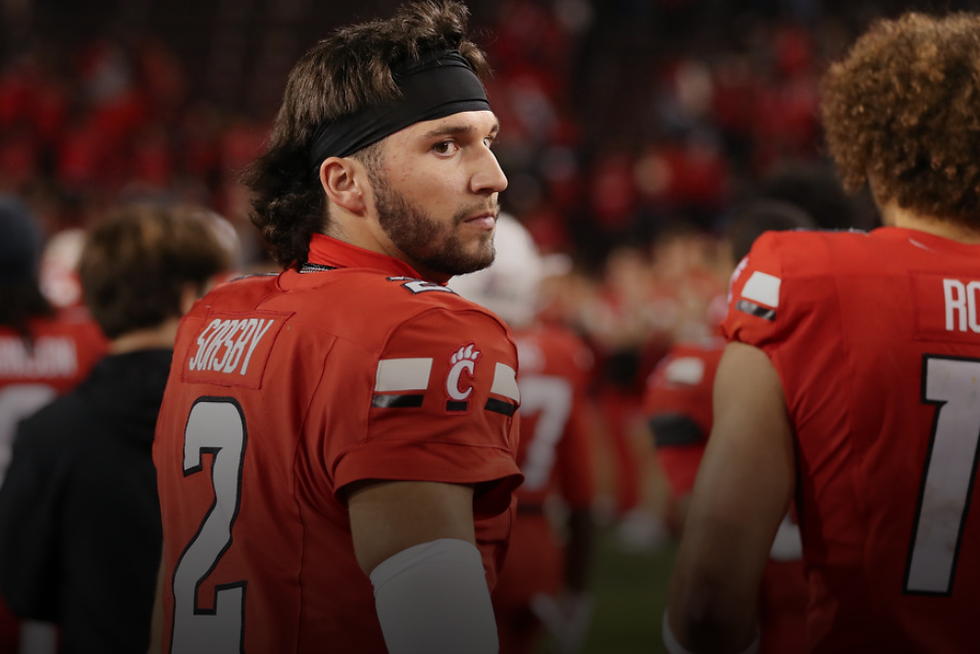
The question about a morality clause (or any clause, for that matter) is: what can trigger it? If the morality clause is vague, it allows the brand near-total discretion to pull out of the deal. Things like a social media post, an association to a specific group, a political stance you take, something from your past, or even an accusation, even if unproven.
Phrases within the morality clause to look for that give the brand too much power are “anything the Company deems immoral,” or “in its sole discretion.” Those phrases make the morality clause one-sided, in the brand’s favor.
You’ll want to negotiate an objective, specific morality clause. And it should be tied to serious, provable conduct, such as a conviction, not an accusation. It should also require actual harm to the brand. Negotiate to keep what you’ve already earned so they don’t try a claw back and demand money they already paid you. And you should make it mutual, so that you can walk if the brand does something to embarrass you.
Now, should a morality clause exist at all? Yes. It's legitimate and standard. A brand has a fair interest in not being tied to genuinely damaging conduct. But so do you. So, the goal isn’t to negotiate the morality clause out of the contract; it’s to draft a mutually beneficial one.
Cedric breaks down college sports law issues like this one as they happen. Subscribe to his Substack: The Fine Print Docket to get the weekly newsletter.
Cedric Hopkins is an attorney and former Division I basketball player at the University of New Mexico. He's the author of The Fine Print, a book on the law and business of NIL and revenue sharing in college sports, and the founder of Hopkins Sports Law, where he delivers on-campus NIL, revenue-share, and agent-contract workshops, and helps athletes understand this complex new world of college sports. He's an educator, not an agent. Learn more at hopkinssportslaw.com.


Comments